
Three words do most of the work in a waste conversation: green waste, hard fill and general rubbish. They are not interchangeable, and treating them as one job is how loads end up turned away at the gate.
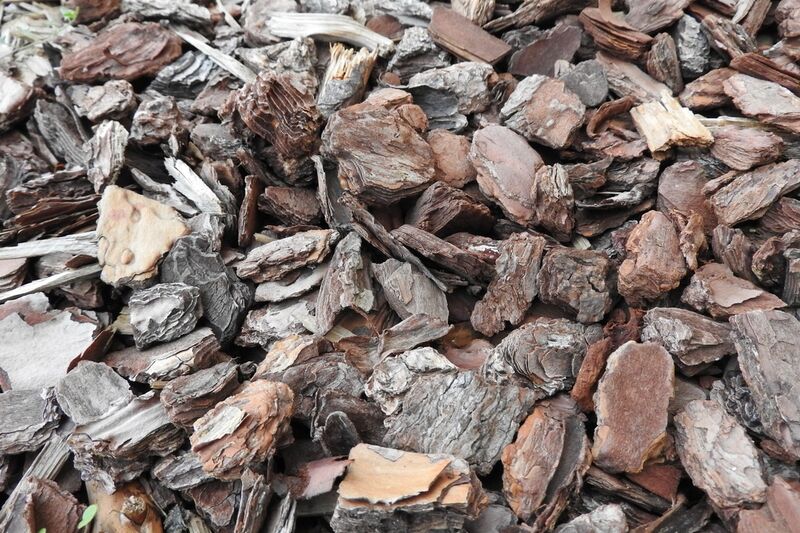
Green waste is anything that was once growing — pruned branches, limbs, hedge trimmings, garden timber, stumps, leaves and bark. It is chipped and reprocessed, which is why a load of brush can fill a bin that would have swallowed twice the volume of rubbish. If the pile has a lot of earth in it, it stops being green waste and becomes hard fill.
Hard fill is the heavy stuff: broken concrete, bricks with mortar still attached, soil, clay, sand, gravel, plaster and demolition rubble. It is quoted and carried separately because weight, not volume, is what decides the cost and which facility can legally receive the load. Reinforcing bar, pipe and broken slabs are worth mentioning when you book, because they are sized as heavy material.
General rubbish is the inert, bulky, mixed remainder — furniture, mattresses, appliances, packaging, and the accumulated clutter of a garage or a move. It is the easiest load to size and the one most people are actually talking about when they say they need a skip.
Recycling sits beside all three rather than inside them. Plastics, glass, cans, paper and cardboard that can be kept separate are collected as their own sorted stream, which keeps them out of the general fill and out of the contamination that makes a recycling load worthless. Businesses generating that material steadily can set up a standing disposals collection with a swap-out, so a bin is always on site.
Hazardous material — chemicals, paint, gas bottles, asbestos, batteries and clinical waste — is not a skip-bin job at all. Tell us what you have found and we will point you at the right route rather than load it and hope.
Talk to the yard about your load
If the sizing is still a guess, email canterburyminiskipsnz@gmail.com with the material, the suburb and roughly how much there is. We would rather size the bin once, correctly, than have a load turned away at the gate.